
Your residents are complaining. Your staff won't confront anyone. And a guard patrol costs more than most units rent for.
LoiterBlock gives property managers and condo boards a way to reclaim common areas automatically, no guards, no camera contracts, no staff confrontations.
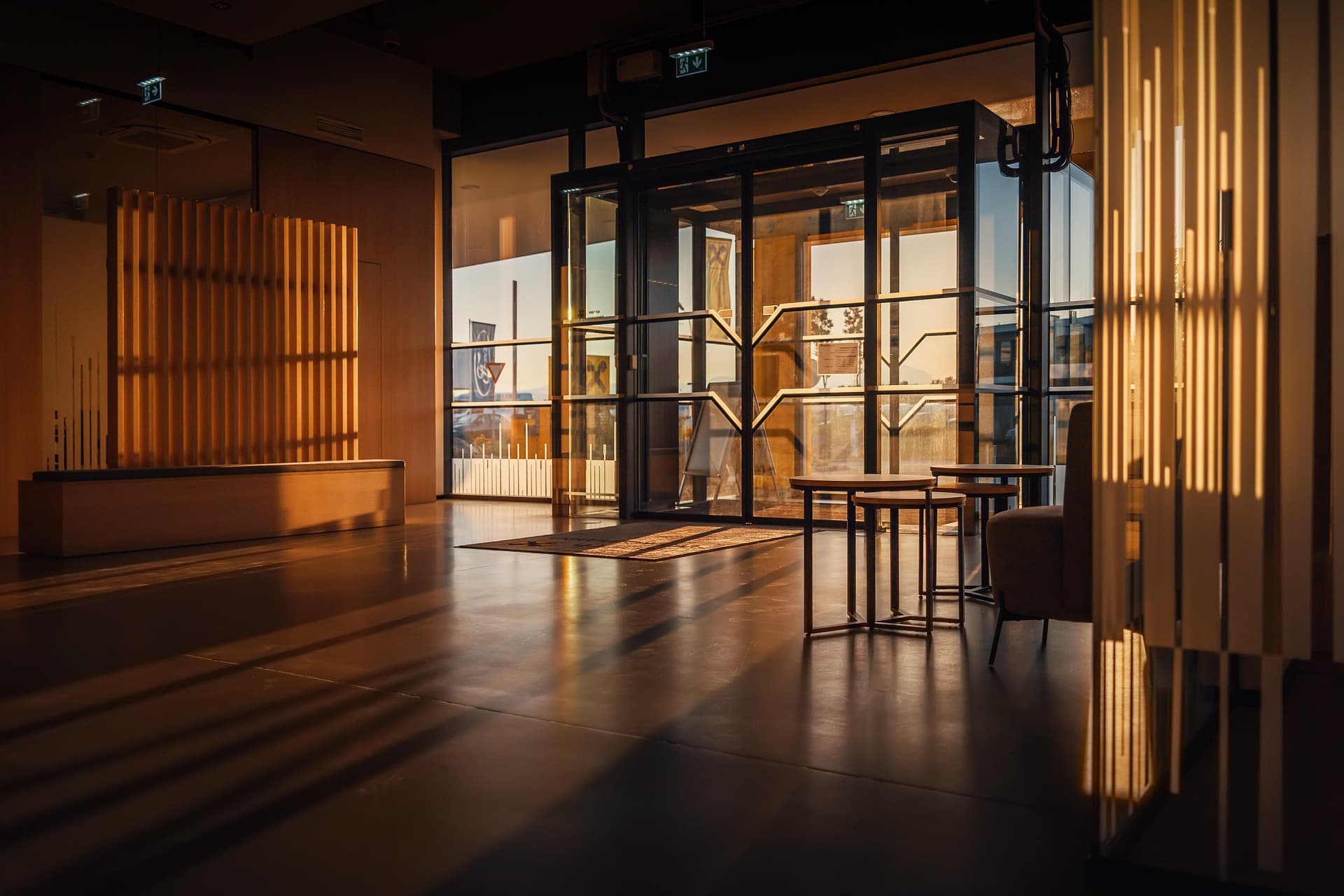
The spaces between the street and the unit are where problems happen
Vestibules used for drug use. Stairwells where residents feel unsafe after dark. Parkades with overnight loiterers. Mailrooms with lingering strangers. These are the spaces cameras miss and guards rarely cover, and they drive resident complaints, vacancy, and liability.
LoiterBlock detects when someone stays too long and responds automatically with audio prompts, tones, and strobe cues, before anything escalates.
The cost of doing nothing vs. the alternatives
Security budgets are tight. Guard patrols are not.
Guard patrol (8 hrs/night)
~$87,600
per property, per year
AI camera monitoring contract
$300–$800
per camera, per month
LoiterBlock per device
A fraction
no monitoring fees, no overtime, no dispatch
Built for the people who manage the building, not just live in it
Property managers, condo boards, and student housing operators deal with resident complaints, liability exposure, and shrinking maintenance budgets. LoiterBlock is designed to solve a real operational problem: how do you keep common areas safe without adding headcount or signing a monitoring contract?
One device covers a vestibule, stairwell, or parkade level. Works alongside your existing cameras and access control. No integration required.
What unmanaged loitering actually costs you
The incident itself is rarely the biggest problem. It is what follows: the complaint email, the insurance call, the vacant unit, the staff grievance.
Unsafe common areas are one of the top reasons residents do not renew. A single stairwell or vestibule problem drives vacancy, bad reviews, and management hours spent on complaints that should not exist.
If someone is assaulted or overdoses in a building space you manage, the question is whether you knew about the pattern and what you did about it. Documented incidents and unaddressed loitering create real exposure.
Asking maintenance staff or concierge to approach a lingering stranger is a liability and often ineffective. Most staff will avoid the confrontation. The problem persists, and the next incident is on your incident report.
Repeated incidents in common areas signal to insurers that a property lacks adequate controls. Premiums rise. Coverage becomes conditional. The cost of a deterrence system is small compared to what unmanaged incidents do to your renewal.
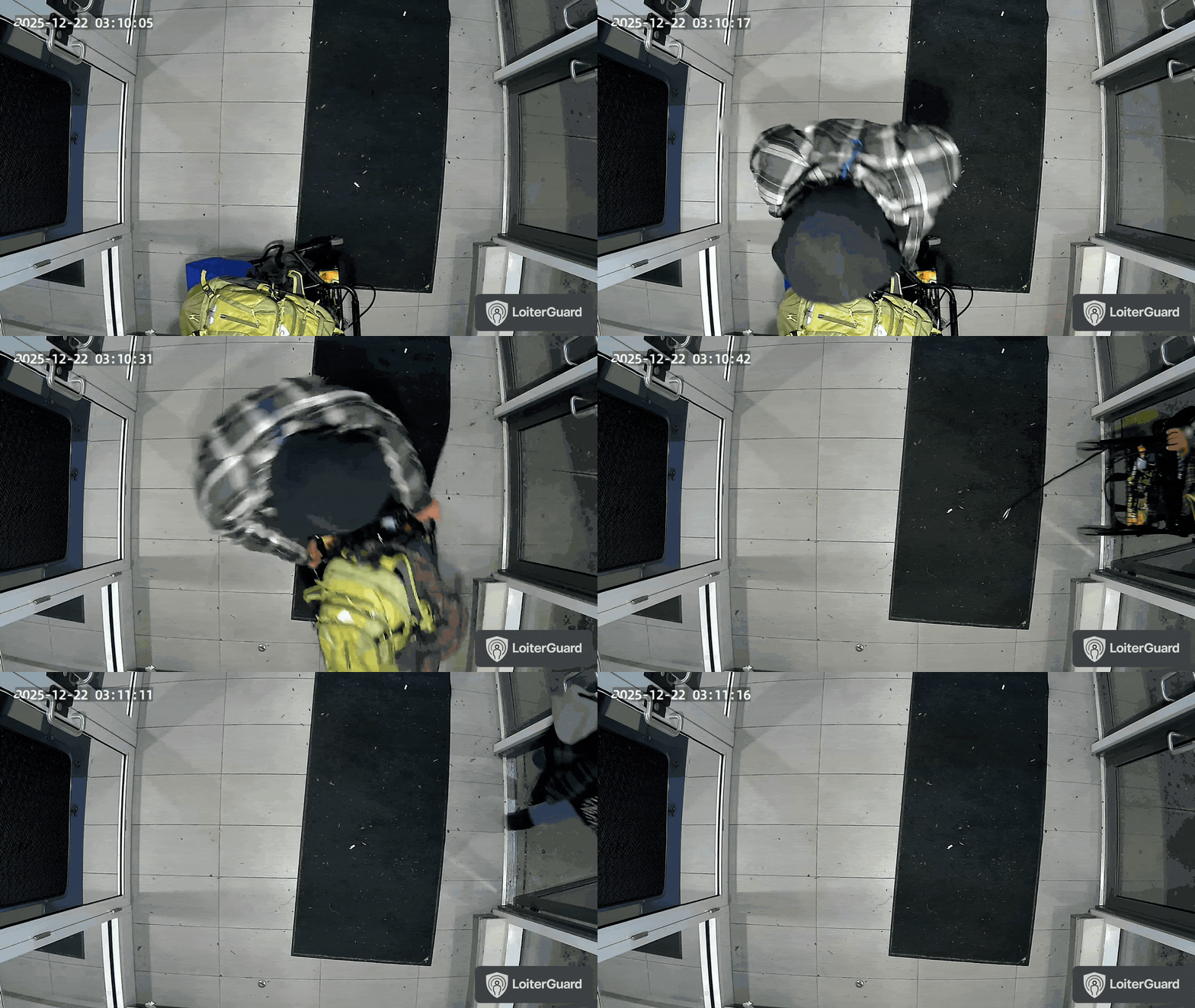
Responds automatically, so your staff don't have to
Radar-based sensing distinguishes a resident passing through from someone who has been in the vestibule for 10 minutes. Once the dwell threshold is crossed, LoiterBlock escalates through your configured response sequence: a calm audio prompt, a firmer warning tone, a strobe cue, and finally a staff alert if the situation persists.
No monitoring contract. No dispatcher. No one has to walk into an uncomfortable situation cold. Most loitering resolves at the first prompt, before it becomes a confrontation.
A straightforward cost comparison
The question is not whether to address loitering. It is how much you want to spend doing it.
Traditional approach
- Guard patrol: $25-35/hr, 8 hrs/night = $73k-$100k/year per property
- AI camera monitoring: $300-$800/camera/month, plus camera hardware
- Ongoing dispatcher and monitoring fees
- Staff confrontations and associated HR exposure
- Incident reports with no deterrence documentation
- Coverage gaps on nights, weekends, and holidays
With LoiterBlock
- One-time hardware per device, low monthly software fee
- No monitoring contract, no per-incident fees
- No dispatcher required
- Staff are alerted only when deterrence does not resolve the situation
- Every event logged with timestamp for incident documentation
- Runs 24/7 with no shift changes or overtime